

The Pratfall Effect: How Imperfection Can Make Your Brand More Likeable
With brand examples

Have you ever felt more drawn to someone after they made a small, relatable mistake? Maybe a speaker stumbled over a word, laughed it off, and instantly became more charismatic. Or perhaps a friend spilled coffee but handled it with a joke, making them even more endearing. That’s the Pratfall Effect in action—a psychological phenomenon that shows how small flaws can actually make a person (or a brand) more likable and trustworthy.
But how does this work in marketing? And how can brands use it effectively without looking incompetent?
What Is the Pratfall Effect?
The Pratfall Effect was first studied by psychologist Elliot Aronson in 1966. His research found that when highly competent people made a minor mistake, a “pratfall”, they became more relatable and likable to others. However, this only worked for people who were already perceived as skilled. If someone was already struggling, a mistake only reinforced their lack of competence.
In marketing, this means that brands with a strong reputation can strategically embrace imperfections to appear more human, approachable, and authentic. When done right, these “flaws” build trust and strengthen customer relationships.
Brands That Used the Pratfall Effect Well
One of the best examples of the Pratfall Effect in action is Domino’s Pizza. In 2010, the company launched the Pizza Turnaround campaign, where they openly admitted that their pizza wasn’t great. They showcased real customer complaints and took full accountability before introducing a new, improved recipe. By acknowledging their flaws and working to fix them, they didn’t lose customers—they gained trust and loyalty.
P.S. There’s a part 2 of this video on YouTube, make sure you give that a watch!
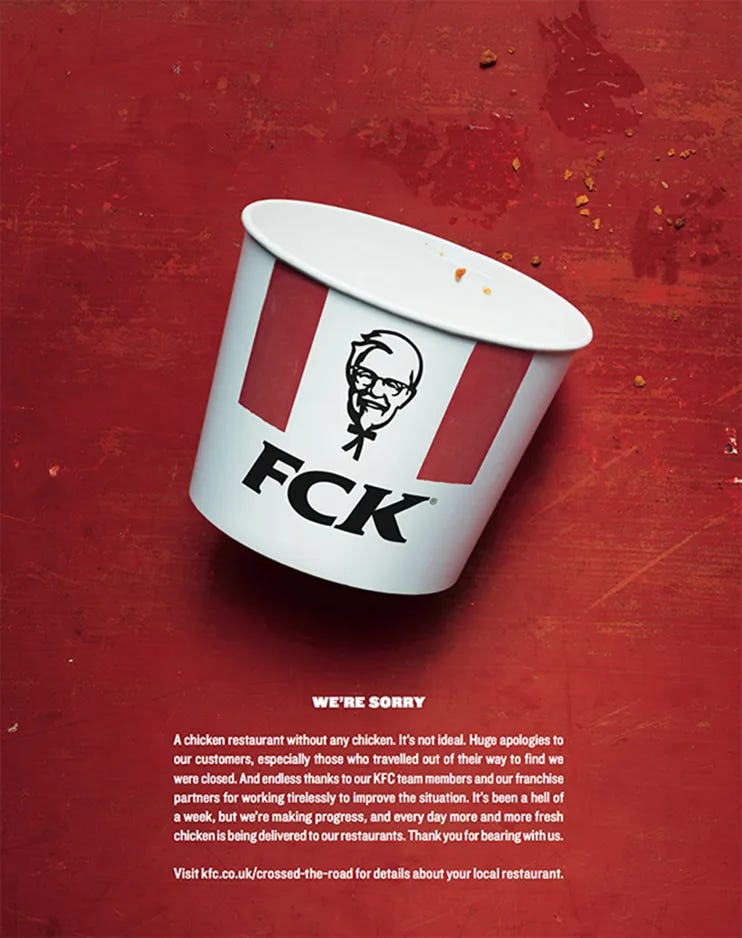
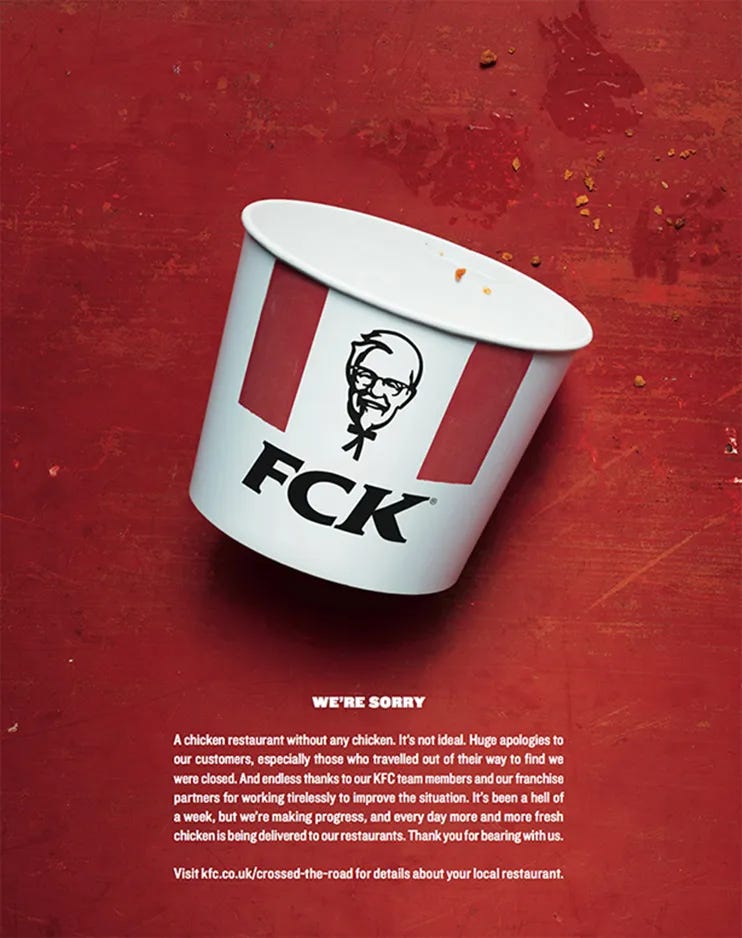
In 2018, KFC ran out of chicken in the UK—a disaster for a fried chicken chain. Remember that? Instead of a traditional corporate apology, they reworked their logo to read FCK on an empty bucket, alongside a heartfelt, humorous apology. This clever approach turned a logistical failure into a branding win, making customers appreciate their honesty and humor.
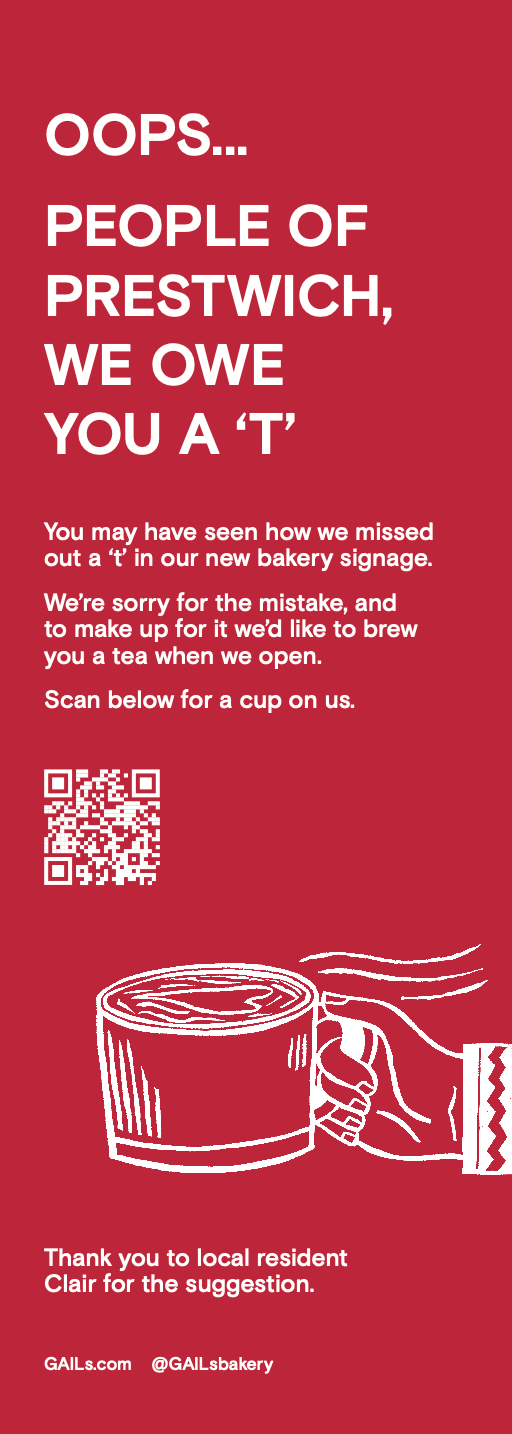
Gail’s Bakery in Prestwich became what it seems an unexpected example of the Pratfall Effect when they accidentally misspelled "Prestwich"and left out the letter “T” on their store signage. Gail’s responded with a clever gesture, offering free tea to locals as a playful nod to the letter "T." after a local resident’s suggestion.
Instead of quietly correcting it, they embraced the mistake with humor, turning what could have been an embarrassing error into a charming, shareable moment. The blunder gained traction on social media, proving that sometimes, a small slip-up can make a brand feel more relatable and engaging.
My marketing instinct says this was intentional. I mean, what are the odds they just happened to leave out the letter "T," only to later announce free tea for locals? But, still a clever use of the Pratfall Effect.
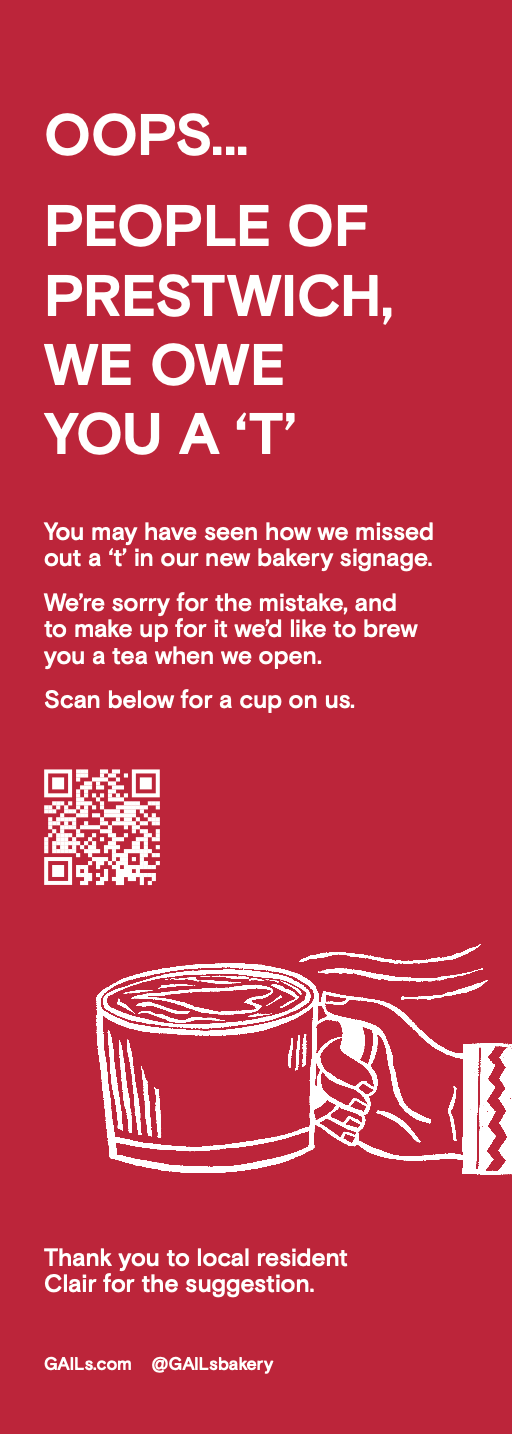
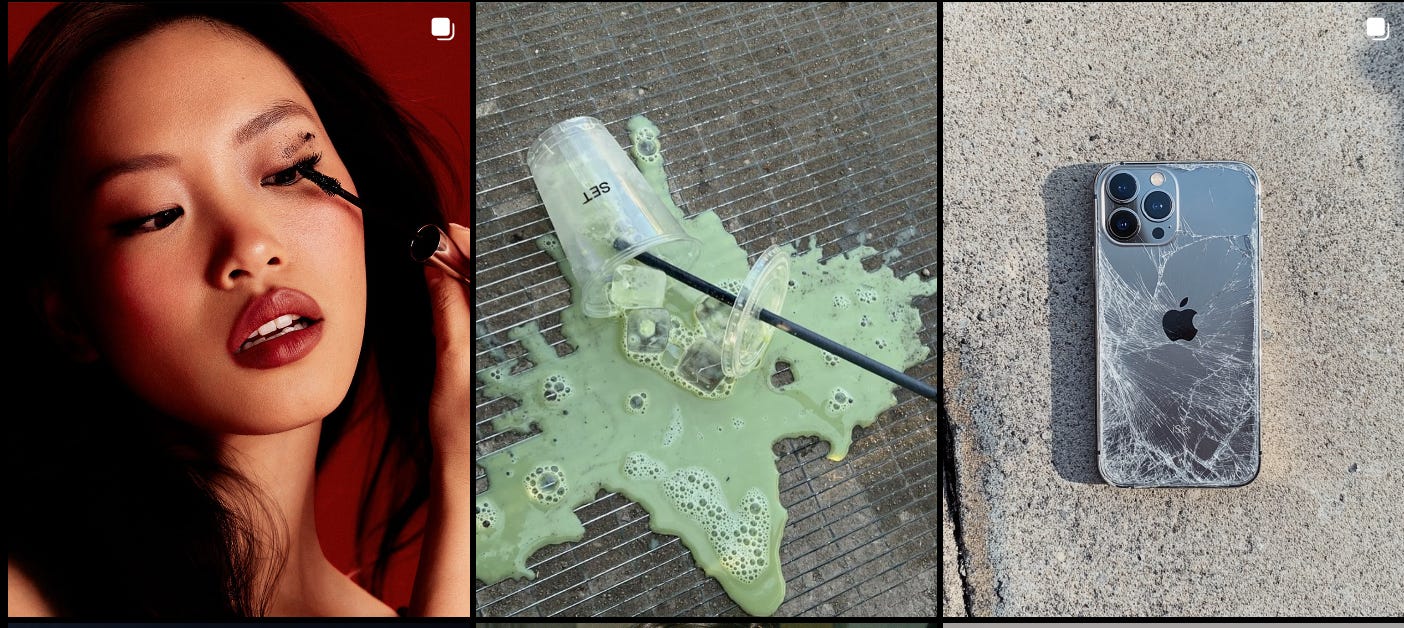
Image: The Manc. 4. Set Active turned a potential setback into a branding win with their "BLOOPERS" collection. After noticing that some styles in their Sportbody collection ran too small, they embraced the mistake instead of quietly correcting it. They rebranded the collection as "BLOOPERS", put it on sale and launched a campaign that humorously highlighted relatable everyday mistakes like burnt toast or spilled milk. This authentic approach built anticipation and fostered strong engagement, leading to increased brand trust, advocacy, and community excitement. It was a smart, creative way to turn a flaw into a marketing success.
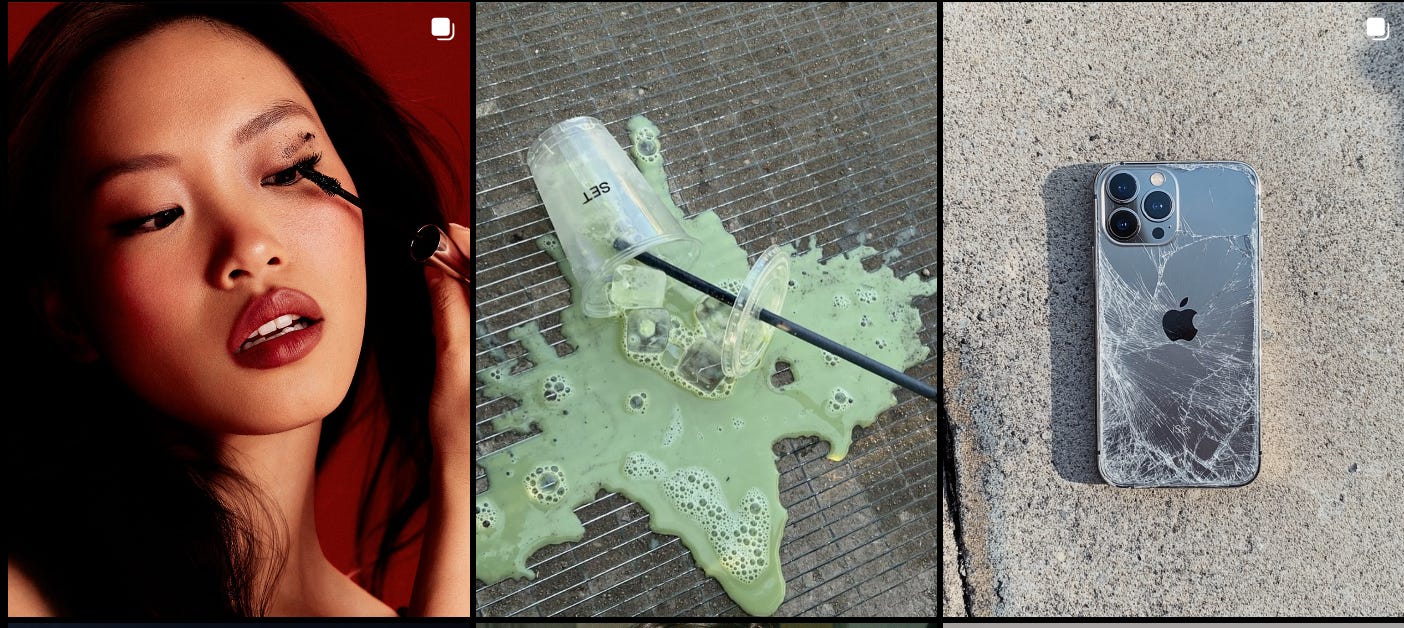
Set Active’s Instagram Account
How to Use the Pratfall Effect in Your Marketing
Want to make your brand more relatable using the Pratfall Effect? Here’s how to do it effectively:
✅ Acknowledge (minor) mistakes – If your brand makes a small error, own it with humor and humility. Transparency builds trust.
✅ Use humor – A well-placed joke about your imperfections makes your brand feel human and down-to-earth.
✅ Show behind-the-scenes reality – Not every marketing campaign, product, or launch goes smoothly. Sharing real stories of challenges makes customers feel closer to your brand.
✅ Only use it if you’re already credible – The Pratfall Effect works best when your brand is already perceived as competent. If you’re still proving yourself, focus on building credibility first.
✅ Turn weaknesses into strengths – If your product has a quirky or unusual feature, lean into it! (Think of how Volkswagen embraced the Beetle’s small size with the famous Think Small campaign.)
Final Thoughts
Perfection is overrated. In a world where brands fight to appear polished and flawless, those that embrace small imperfections often stand out the most. The Pratfall Effect shows us that admitting flaws, when done strategically, can make your brand more authentic, relatable, and likable.
Next time you’re crafting a marketing campaign, don’t be afraid to let a little personality shine through. Customers appreciate brands that feel real, mistakes and all.
Have you seen any great examples of the Pratfall Effect in action? Drop a comment or reply to this email and let me know!
Sources & Recommended Reading:
The Choice Factory: 25 behavioural biases that influence what we buy*
Bakery chain Gail’s is attempting to win over Prestwich after spelling mishap
Ads that made history: Think Small
* Disclosure: This post contains affiliate links. As an Amazon Associate Partner, I may earn a commission if you make a purchase through these links, at no extra cost to you. Thank you for your support!